
All we care about; is you, with our services you can reach your target easily
OUR SERVICES
TRAINING SERVICES
Is developing in oneself or others, any skills and knowledge that relate to specific useful competencies. Training has specific goals of improving one’s capability, capacity, productivity and performance.
The Top 10 Benefits of Ongoing Staff Training and Development
Employee training not only provides benefits to the individual, but also to the business, helping your company to continue running effectively. However, once you have run initial job training, such as with a new employee, is there a need for any further training investment?

Training, and especially ongoing training, is a key area for debate in many boardrooms. However, there are a number of reasons to suggest that training should only be the first step of a longer-term process. Regular training is well worth the investment because building up the skills within the business will effectively improve your company’s bottom line.

Top 10 benefits of ongoing corporate training
A business should never stand still and so nor should the development of your staff, who are the key asset in driving your business forward. Regular staff training is essential in helping this ongoing skill development. This can often be a worry to business managers though, due to its ongoing cost to the business. However, if you look past this, there are a number of important reasons why ongoing staff training can be beneficial to the business and should therefore be made a priority. With a quality training plan in place, you will also see your return on investment within your balance sheet!
5 Reasons Why You Need To Invest In Employee Training

Why You Need To Invest In Employee Training
When things get financially tight in business, often employee training is the first thing to go. However, this is not necessarily a sound strategic move for a leading organization forging the way in a competitive industry.
At perception key, we’ve started by exploring a big question: Why invest in employee training during economically challenging times? The short answer is because training and developing your employees could be critical to the future success of your organization.
In the past, employees were rated on the 3 R’s: Reading, writing, and arithmetic. These skills are no longer enough for success in today’s unstable business environment that is continuously responding to technological advancement and a rapidly changing social and economic landscape.
For employees to be efficient, productive and adaptable, new skills are required, such as:
• Critical thinking and problem solving.
• Communication.
• Collaboration.
• Creativity and innovation.
Your employees are your biggest asset since they get the required work done so your organization can meet its business objectives. Effective training designed specifically for your organization can provide your employees with essential next-generation skills while bringing with it a host of business benefits.
Here we outline some critical reasons why you need to invest in employee training:
1. Support succession planning.
Providing ongoing employee training and development supports succession planning by increasing the availability of experienced and capable employees to assume senior roles as they become available. Increasing your talent pool reduces the inherent risk of employees perceived as “irreplaceable” leaving the organization. Areas of training that support succession planning include leadership, strategic decision making, effective people management, and role-specific skills.
2. Increase employee value.
Effective training can be used to “up-skill” or “multi-skill” your employees. Up-skilling involves extending an employee’s knowledge of an existing skill, providing more experts within a subject area. Multi-skilling is the process of training employees in new or related work areas to increase their usability within the organization. Employees with diverse skill sets can perform a variety of tasks and transition more easily into other roles within the organization.
3. Reduce attrition rates.
Investing in the development of your employees can reduce attrition rates. Well-planned training can provide career pathways for employees making retention within the organization rather than seeing them seeking next-level opportunities elsewhere. Another positive is a reduction in recruitment costs.
4. Enhance operational efficiency.
Training your employees can increase their efficiency and productivity in completing their daily work tasks. Training can also help your organization achieve greater consistency in process adherence, making it easier to project outcomes and meet organizational goals and targets.
5. Exceed industry standards.
Training your employees in industry-standard best practices could also assist you in building your reputation, giving your competitors a run for their money! Many businesses operate in saturated markets, so often it’s the small things that will set your business apart from the rest.
BUSINESS COACHING SERVICES
If you are an Entrepreneur, or a small business owner, congratulations!! You have the opportunity to live the life of your dreams.
Do any of these sound familiar?
- There never seems to be enough time to do everything you want to.
- You lack the practical “how to” experience and knowledge to get your business to the next level.
- You always seem to be working “in” the business as opposed to “on” it.
- It is hard to find and train people who can take over some of the most time consuming tasks.
- You are constantly worrying about your business.
- Your balance between work, fun and family is not where you want it.
- You don’t have experienced support to bounce things off or brainstorm with.
- You sense far more could be accomplished if you only had access to the knowledge and support of an experienced business person.

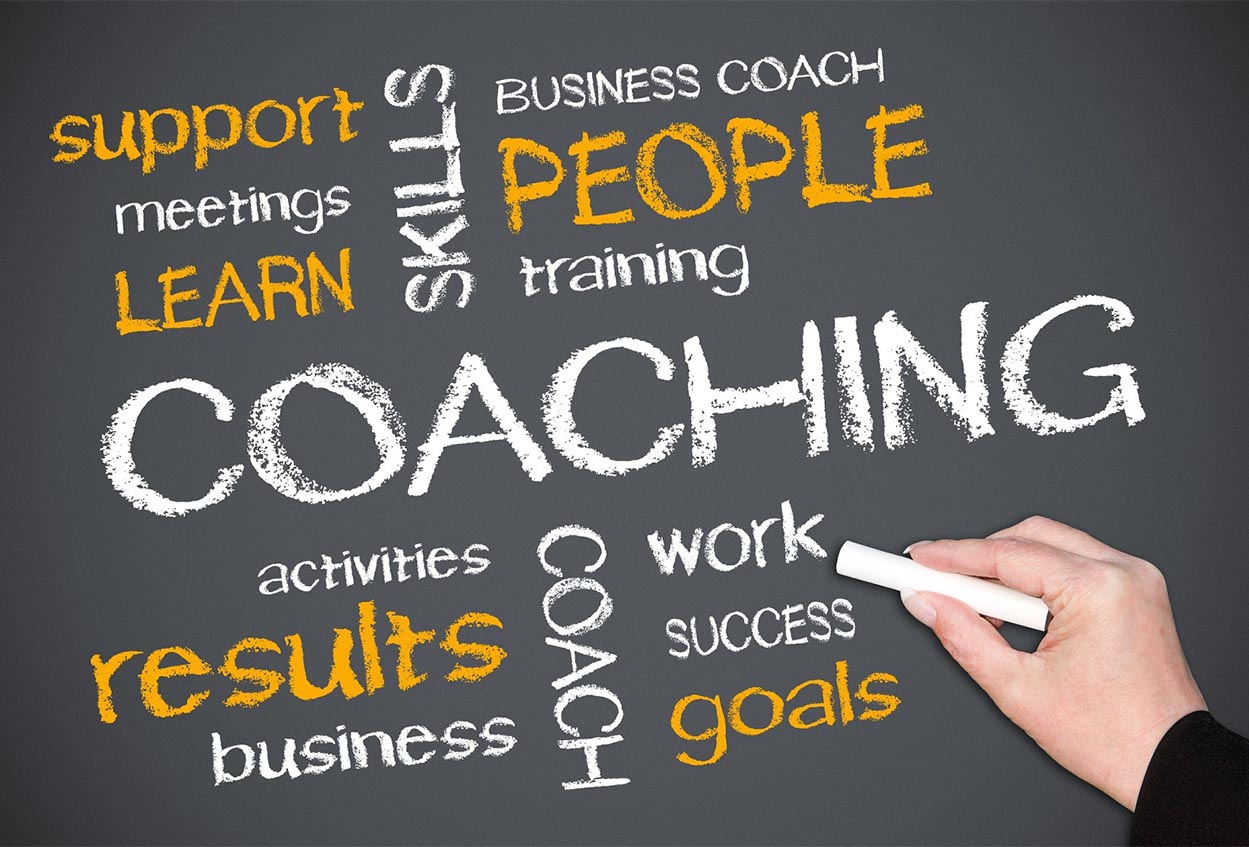
– Are you facing challenges when it comes to your money? Do you feel stressed about your money situation? I can help you get on the right track. It is time to experience FINANCIAL CALM.
– Are you an executive who wants the most from your people? I train leaders to clearly convey expectations, lower turnover & hire the best people.
– I work with C-suite executives who are looking for leadership development, are struggling with work/life balance & need more accountability in their work.
– I work with executives, directors, and mid level managers who want to improve their performance, leadership skills, & communication effectiveness. They’ve been promoted but not prepared for leadership
– Personal, professional coaching. Focusing on assisting others to create greatness in all areas of life. Working on fulfillment, passions, purpose and balance with structure to achieve goals.
PSYCHOMETRIC TEST
Multi -faceted personality test MPI-2V

The Minnesota Multi aphasic Personality Inventory (MPI-2V) is a standardized psychometric test of adult personality and psychopathology.[1] Psychologists and other mental health professionals use various versions of theMPI-2V to help develop treatment plans; assist with differential diagnosis; help answer legal questions (forensic psychology); screen job candidates during the personnel selection process; or as part of a therapeutic assessment